If you’ve been following my journey you’ll know I’m fanatical about sustainability. Although solar energy is not without it’s problems, I feel it’s a step in the right direction. It’s also a critical move for South Africans. Like everyone who’s looked into solar power, I was initially deterred (and somewhat gobsmacked) by the cost. I couldn’t find a single quote under R150 000 to energize my studio. Of course this cost will eventually pay itself off, but it’s an incredible up-front expense!
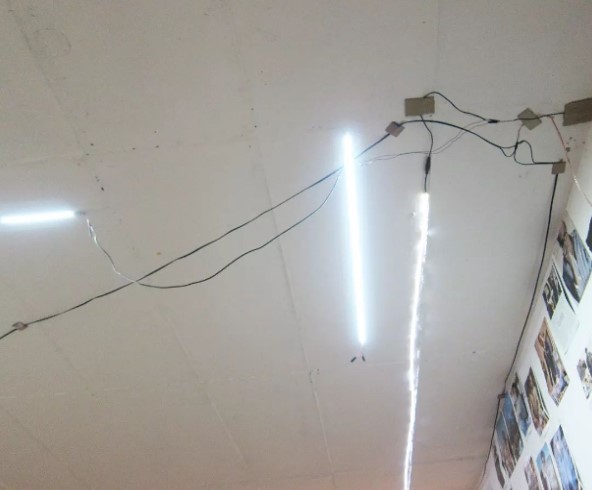
I also couldn’t find any options to move slowly towards solar, breaking down the expense into smaller steps which would get portions of my needs satisfied. Being a lover of DIY and a refuser to settle, I’ve been working on my own solution to the energy crisis. When you read in the news that the Saccaggi power station has turned SA’s energy crises around, just remember this blog.
My biggest question was why we’re going through all the trouble of generating 12 Volts of Direct Current with solar panels, converting that to 220/240 Volts Alternating Current and plugging it into the mains, just to convert it back to 12V DC for a number of appliances (Many washing machines and most electronics are actually 12V). Here I’m focusing on lights, which is where I started my independent journey almost a decade ago.

With the important caveats that my business uses most of it’s power during the day (whereas homes use it mostly in the evenings), and that every consumer is different; let’s break down the costs:
Using a 60Watt incandescent light bulb for 9 hours a day is going to use around 16kW in a month. At R2.7 per kilowatt hour (for now, I shudder to think what Karpowership will charge) that’s roughly R43 a month. I’m extremely frugal, and only have lights on where and when they’re needed, but if I ran all 10 lights in the studio for the full workday every day, it’d would cost some R5000 for the year.
Naturally I switched over to florescent lights as the incandescents expired, which use about a quarter of the energy, and never use all the lights all day long. Be that as it may, the question is why you’d need to convert 12V DC from solar panels to 220V AC, when there’s a wide range of 12V DC lighting options.
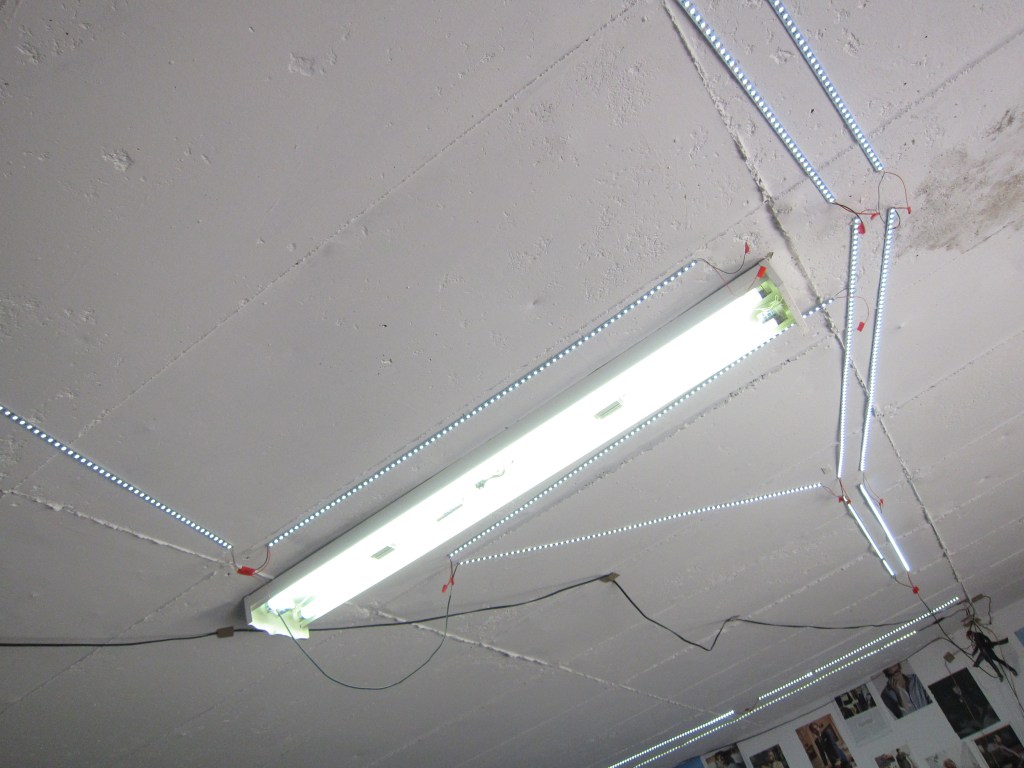
Final caveat, I realize my chaotically dramatic wiring isn’t everyone’s aesthetic, and a sane person may want to spend more on beautiful installation. So let’s break down the solar costs:
Solar Panels are where the magic starts, turning sunshine into electricity. My current set up has three 50W panels, each costing around R700. These generate way more than I need for my lights at the moment. There are so many options out there, I actually started with one of these all-in-one units, and expanded it slowly.

MeetUs Portable Home Outdoor Generation System for R784
Obviously the bigger your panel, the better you can charge your battery, but if you’re on a budget you can really start with R300.
Charge controllers manage the magic coming in from the sun, distributing it in adequate quantities to your battery and appliances. Larger systems need more advanced controllers, but for this basic set-up a simple R350 unit is enough.
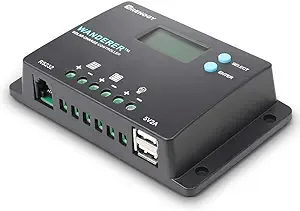
Renogy 10 Amp 12V/24V Solar Charge Controller for R333
Batteries are generally the largest expense, but again, you needn’t build Rome in a day. I started with a single 12V, 7Ah gate-motor battery for R270! This I built out to a bank of three, before upgrading to a gel battery. A regular car battery is good starting point at about R1500.
Lighting options continue to proliferate. If you want to keep your current light fixtures, complete re-wiring is required. I’m not even sure if an electrician will do this for you… I’ve opted to simply disconnect the old lights, and wire news ones externally (chaotically) to the same and new locations. After trying some different products I hit on these LED strip lights, which work well for my purposes, but obviously won’t suit everyone. Shop around, see what works for you.
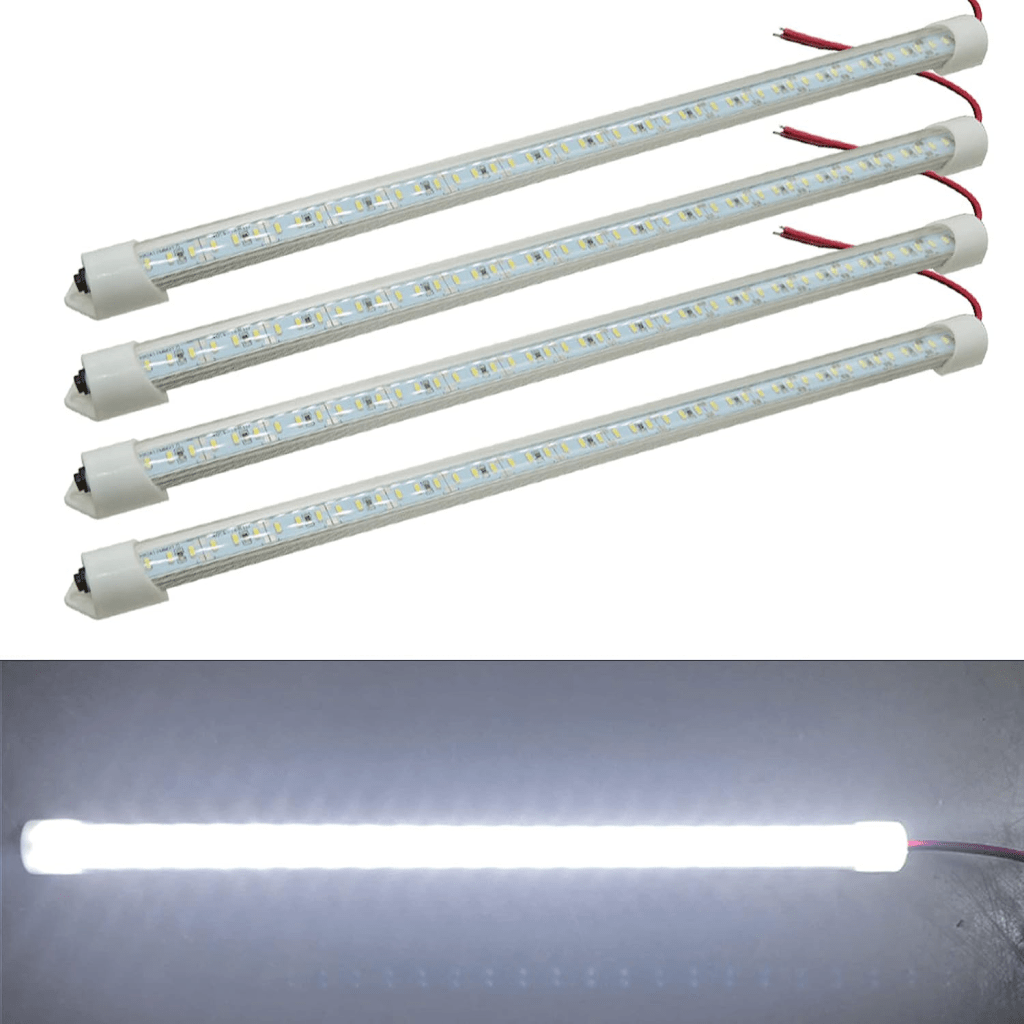
Ampper 12V Van Interior LED Light Bar for R333)
Installation costs will vary depending on how much you do yourself. It’s also challenging to find someone who’ll install and connect components that they didn’t provide themselves. I got professional help to install the panels on the roof for R3500 including the wiring.
The costs I’m working on here are a bit vague, as it all depends on how small you want to start. I’ve bought components over time from friends, shops and the internet. I’m including Amazon products here for my international readers, and the affiliate commissions. So to sum up with some very rough numbers:
Panels R1000
Charge controller: R350
Battery: R1500
Lights: R1000
Installation: R4000
Total: R7850
Offsetting the use of our 10 theoretical incandescent lights, you’ll make your money back in 2 years. After which that saving can be re-invested into expanding the system until it’s large enough to connect an inverter…and then nothing can stop you!! I’ve in fact already connected an inverter which runs my smalls machines, needing only two 100Ah batteries.
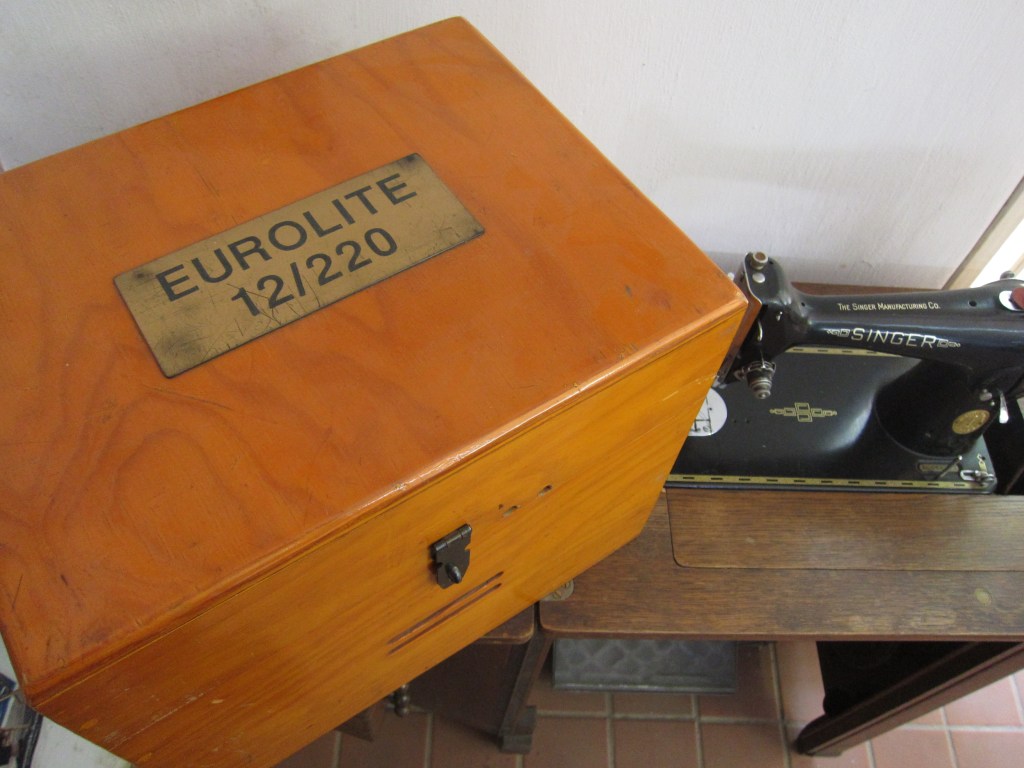
I’m a tailor, not an electrician, and I don’t mean to lead anyone down the garden path. My point is that you can definitely get started with solar in a modular way for under R10 000, and expand from there. If anyone has anything to add, let’s hear it in the comments.
Thank you to everyone who’s supported my journey so far, I couldn’t have generated a single watt without you!
 The Green Tailor